Wall Painting - Pharaoh Receiving Homage - Early Dynastic Period
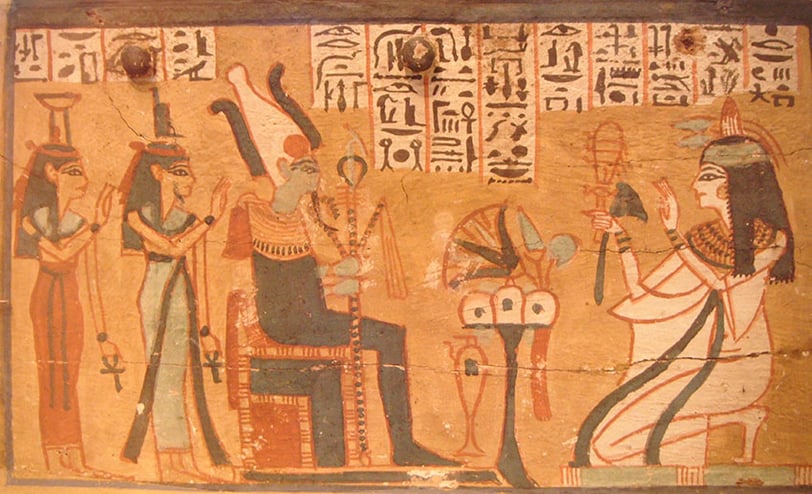
This wall painting depicts a pharaoh receiving homage from his subjects. The scene typically shows the pharaoh seated on a throne or standing in a dominant position, while figures of officials, priests, or foreign dignitaries are depicted in poses of submission, offering gifts or showing gestures of respect. The painting is characterized by the use of hierarchical proportions, where the pharaoh is shown larger than other figures to emphasize his importance.
3/20/20232 min read
Wall Painting: Pharaoh Receiving Homage
Form:
Description: This wall painting depicts a pharaoh receiving homage from his subjects. The scene typically shows the pharaoh seated on a throne or standing in a dominant position, while figures of officials, priests, or foreign dignitaries are depicted in poses of submission, offering gifts or showing gestures of respect. The painting is characterized by the use of hierarchical proportions, where the pharaoh is shown larger than other figures to emphasize his importance.
Example: Such paintings are found in tombs and temples, illustrating the divine status of the pharaoh and his central role in the society and religion of ancient Egypt.
Style and Origin:
Style: Early Dynastic Egyptian art. The style includes the use of flat, two-dimensional figures, with a composite view of the human body (head and legs in profile, torso facing forward). The art emphasizes clarity and order, reflecting the structured nature of Egyptian society and beliefs.
Origin: Originates from the Early Dynastic Period of Egypt, which dates from around 3100 to 2686 BC. This period saw the consolidation of the pharaonic state and the establishment of artistic conventions that would persist throughout ancient Egyptian history.
Period:
Period: The Early Dynastic Period, also known as the Archaic Period, spans from approximately 3100 BC to 2686 BC. It includes the First and Second Dynasties of Egypt. This period is marked by the unification of Upper and Lower Egypt under the rule of the pharaohs and the development of major cultural and religious practices.
Materials:
Materials: The paintings were created using mineral-based pigments applied on a prepared plaster surface. Common colors included red ochre, yellow ochre, black from carbon, white from gypsum, and blue and green from copper-based compounds. The pigments were mixed with water and applied to the dry plaster, a technique known as "fresco secco".
Technique:
Fresco secco (dry fresco): The pigments were applied to dry plaster walls. This technique allowed artists to add fine details and vibrant colors to their compositions.
Hieroglyphic Inscriptions: Often, the paintings were accompanied by hieroglyphic inscriptions that provided names, titles, and descriptions of the depicted scenes.
Theme
Royal Power and Divinity: The primary theme is the divine right and power of the pharaoh. The scenes emphasize the pharaoh's role as the intermediary between the gods and the people, showcasing his divine status and authority.
Homage and Tribute: The paintings often depict subjects and foreign dignitaries bringing offerings and tribute to the pharaoh, symbolizing the prosperity and control of the ruler over both domestic and foreign affairs.
Religious Rituals: The depiction of the pharaoh receiving homage is also a reflection of the religious rituals and ceremonies that reinforced the social and religious order of ancient Egypt.