Statue of Marcus Aurelius
The Equestrian Statue of Marcus Aurelius depicts the Roman Emperor Marcus Aurelius riding a horse. The statue is larger-than-life, standing approximately 4.24 meters (13.9 feet) high. Marcus Aurelius is shown in a relaxed posture, with his right arm extended in a gesture of adlocutio (address or greeting). The horse is portrayed in a walking pose with its right front leg raised.
5/2/20231 min read
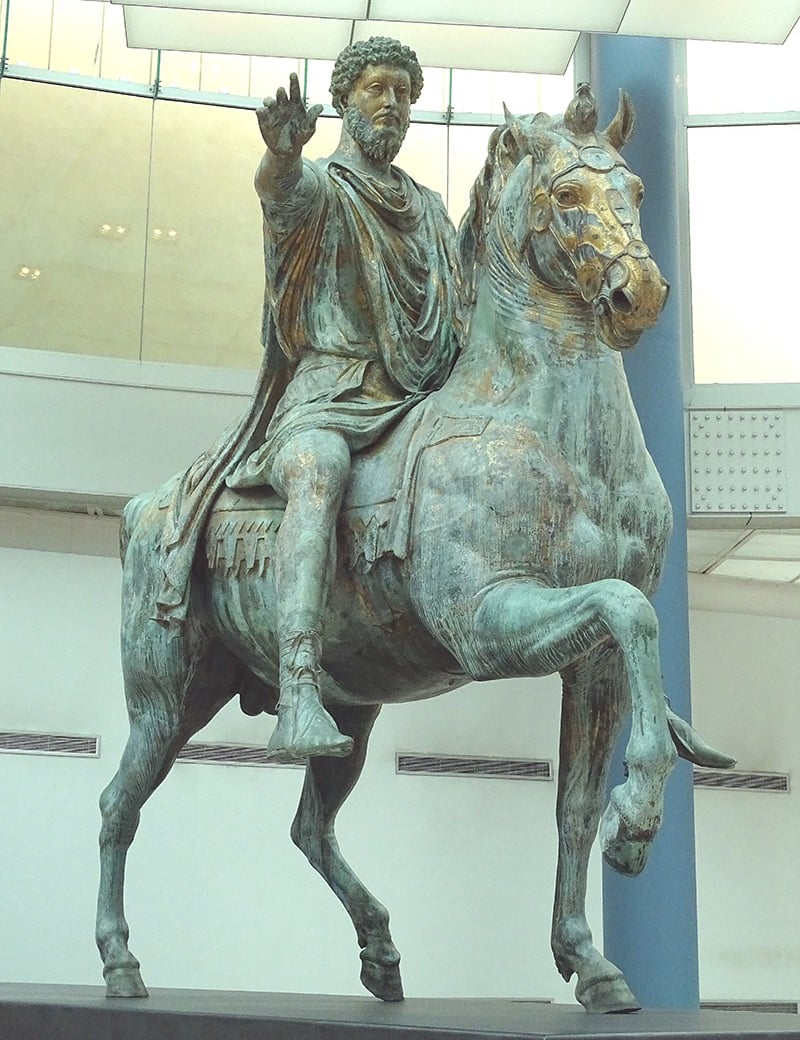
Equestrian Statue of Marcus Aurelius
Form:
The Equestrian Statue of Marcus Aurelius depicts the Roman Emperor Marcus Aurelius riding a horse. The statue is larger-than-life, standing approximately 4.24 meters (13.9 feet) high. Marcus Aurelius is shown in a relaxed posture, with his right arm extended in a gesture of adlocutio (address or greeting). The horse is portrayed in a walking pose with its right front leg raised.
Style: Imperial Roman art. The statue is a prime example of the grandeur and realism that characterize Roman portraiture and equestrian monuments.
Origin: Commissioned and created in Rome, the statue reflects the artistry and technical skill of Roman bronze work during the height of the Roman Empire.
Period:
The statue was created around 176 A.D. during the reign of Marcus Aurelius, who ruled as Roman Emperor from 161 to 180 A.D. This period is part of the High Empire, known for its stability and cultural achievements .
Materials:
The statue is made of gilded bronze. The use of bronze allowed for the intricate detailing and realistic portrayal of both the emperor and the horse. Originally, the statue was gilded, adding to its grandeur and visibility.
Technique
Casting: Bronze cast using lost-wax method.
Gilding: Originally gilded for a golden appearance.
Detailing: Intricate details on horse and rider.
Theme
Imperial Authority: Represents emperor's power and control.
Philosophical Calm: Shows Marcus Aurelius' stoic demeanor.
Military Leadership: Symbolizes Roman military prowess.
Components:
Marcus Aurelius: The emperor is depicted wearing a military tunic and a cloak (paludamentum), without armor or weapons, emphasizing his role as a philosopher-king rather than a military conqueror. His calm and composed facial expression reflects his Stoic philosophy.
Horse: The horse is shown with naturalistic detailing, including muscular definition and a dynamic pose, contributing to the statue's lifelike appearance.
Base (modern): The statue now stands on a modern base designed by Michelangelo in the Piazza del Campidoglio in Rome, although it was originally part of a larger commemorative structure.
Function:
The statue served as a public monument to honor Emperor Marcus Aurelius. It symbolized the power, authority, and divine favor of the emperor. Equestrian statues were a common way to commemorate important leaders in ancient Rome, demonstrating their control over both the military and civic realms (Wikipedia) (World History Encyclopedia).