Mastaba, Saqqara - Egypt
Saqqara - Egipto
2/20/20232 min read
Form
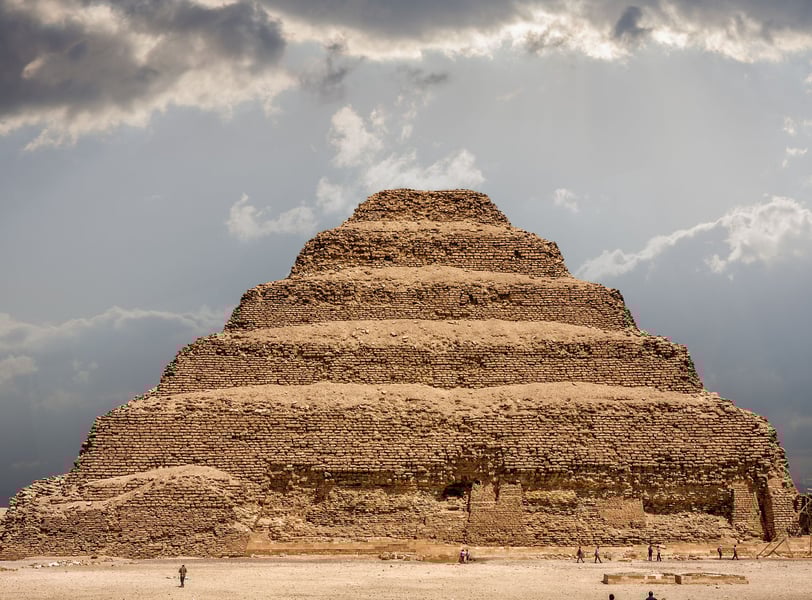
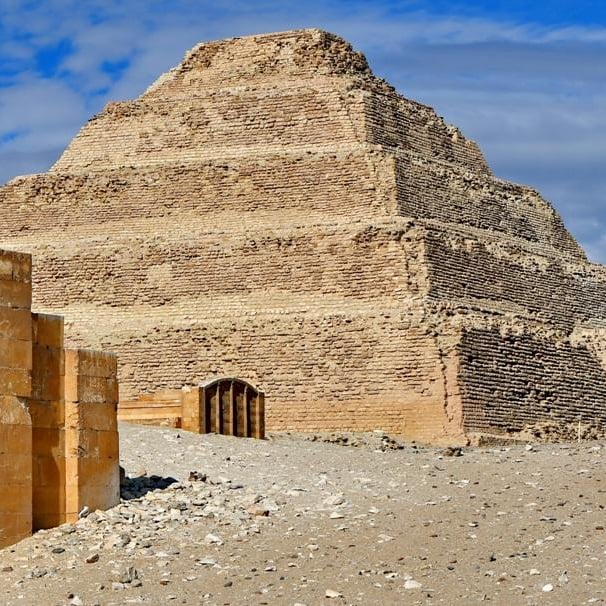
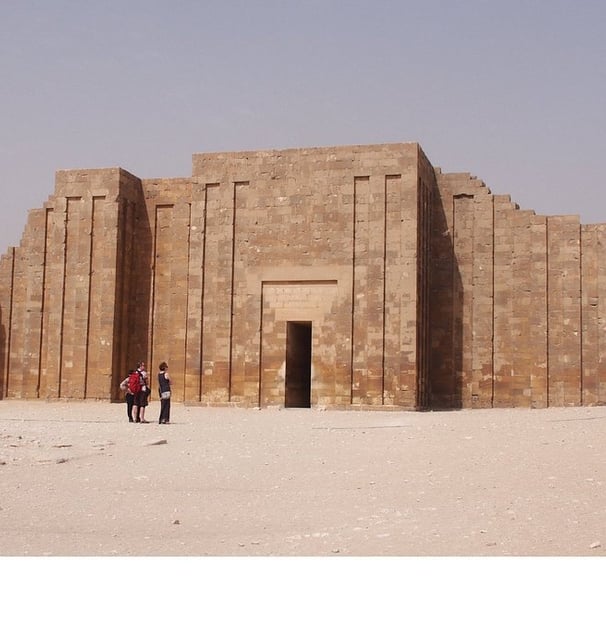
A mastaba is a rectangular structure with flat roofs and sloping sides. It typically has a low, solid appearance and was used as a tomb for elite individuals. The structure resembles a truncated pyramid and was often built above an underground burial chamber.
Style
Mastabas are a characteristic form of Old Kingdom Egyptian funerary architecture. The style is defined by its rectilinear shape and the use of simple, geometric forms. The exterior and interior walls often feature reliefs and inscriptions that depict scenes of daily life, religious rituals, and offerings to the deceased.
Origin
The mastaba originated in Ancient Egypt, specifically in the region of Saqqara, which served as a necropolis for the ancient Egyptian capital, Memphis. The design evolved from simpler, earlier burial practices.
Period
Mastabas were primarily built during the Old Kingdom Period ( 2686–2181 BC). This period includes the Third to the Sixth Dynasties and is known for significant developments in architecture and the consolidation of pharaonic power.
Materials
Mastabas were constructed using mudbrick or stone. The earlier mastabas were made of mudbrick, while later examples, especially those built for royalty and high officials, were constructed with limestone. The interiors were often plastered and painted with bright colors.
Components:
Chapel: An above-ground chapel where family members could leave offerings. It often contained a false door through which the spirit of the deceased could interact with the living world.
Serdab: A sealed chamber that housed a statue of the deceased, allowing their spirit to observe and partake in the offerings and rituals performed in the chapel.
Burial Shaft: A vertical shaft leading to the underground burial chamber, where the body of the deceased was placed in a sarcophagus.
Underground Burial Chamber: The actual burial place, often decorated with wall reliefs and inscriptions that ensured the deceased's safe passage to the afterlife and their sustenance in the hereafter.
Function
The primary function of a mastaba was to serve as a tomb for the deceased. It was designed to protect the body and the offerings from grave robbers and the elements. The mastaba also played a crucial role in religious practices associated with the afterlife, providing a place for the ka (spirit) of the deceased to receive offerings and continue its existence in the afterlife. The decorations and inscriptions inside the mastaba were intended to ensure the deceased's well-being and to facilitate their journey to the afterlife.