La Cultura Babilónica
La cultura babilónica, especialmente durante el período neo-babilónico bajo el reinado de Nabucodonosor II, es una de las más fascinantes y avanzadas del antiguo mundo mesopotámico.
2/28/20231 min read
Form:
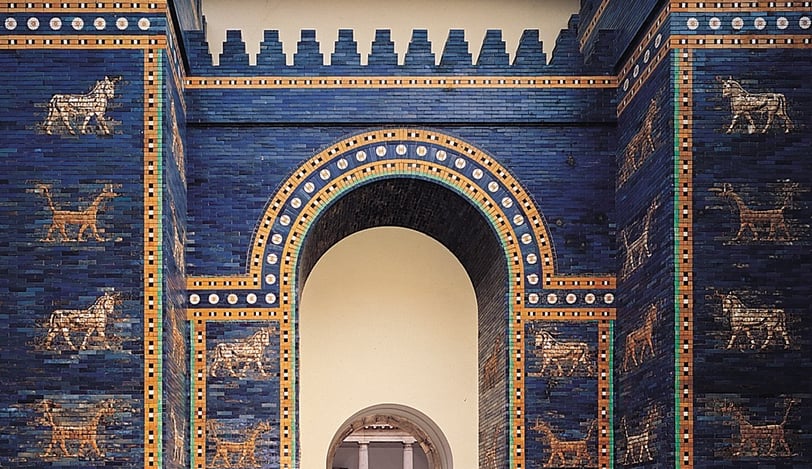
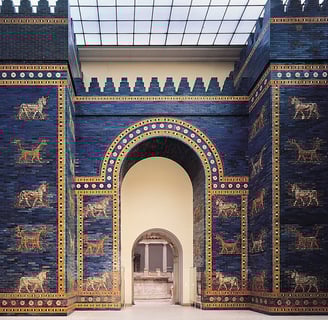
The Ishtar Gate is a monumental entrance that served as the main gate of the city of Babylon. It is an arch with animal reliefs.
Style:
The gate is a prominent example of Neo-Babylonian architecture.
Origin:
It was constructed under the reign of Nebuchadnezzar II in Babylon (modern-day Iraq) and is known for its extensive use of blue-glazed bricks.
Period:
Neo-Babylonian, specifically around 575 B.C.
Materials:
The gate was built with finely textured clay bricks. These bricks were pressed into wooden molds, sun-dried, and then fired before being glazed. The animal reliefs were made from molded and glazed bricks, predominantly in blue, imitating lapis lazuli, with gold and brown details for the animal images.
Components:
The Ishtar Gate includes reliefs of lions, dragons, and bulls representing the gods Ishtar, Marduk, and Adad, respectively. The gate also had cuneiform inscriptions detailing the achievements of Nebuchadnezzar II. The bricks were joined with bitumen, and the original structure included roofs and cedar doors decorated with bronze.
Function:
It served as the main ceremonial entrance to Babylon, connecting to the Processional Way, which was used during important religious festivals like the New Year celebration, affirming the supremacy of the god Marduk and the fertility of the land.