Coliseum
The Colosseum is an elliptical amphitheater in the center of Rome. It is the largest ancient amphitheater ever built and could hold between 50,000 to 80,000 spectators. The structure consists of a complex system of vaults and arches, with three levels of arcades topped by a podium. It features a hypogeum (underground) network of tunnels and chambers beneath the arena floor.
2/10/20232 min read
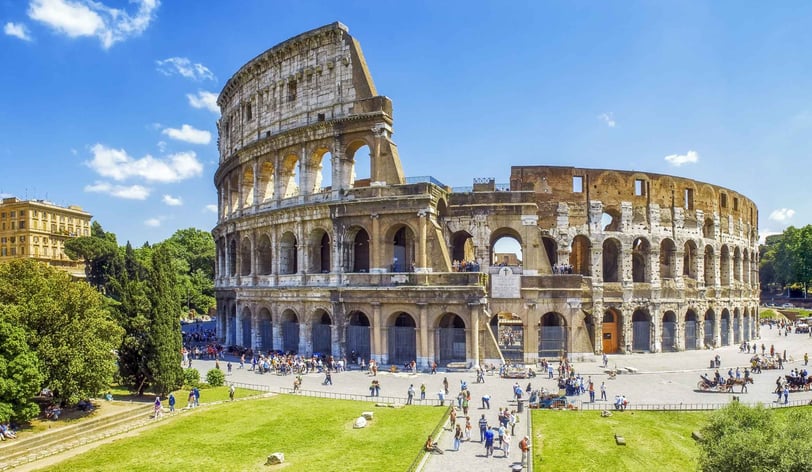
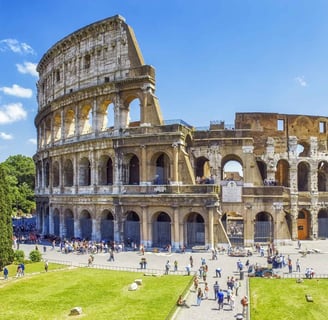
Colosseum in Rome
Form:
Description: The Colosseum is an elliptical amphitheater in the center of Rome. It is the largest ancient amphitheater ever built and could hold between 50,000 to 80,000 spectators. The structure consists of a complex system of vaults and arches, with three levels of arcades topped by a podium. It features a hypogeum (underground) network of tunnels and chambers beneath the arena floor.
Example: It is one of the most enduring symbols of ancient Rome and Roman engineering prowess (World History Encyclopedia) (Smarthistory).
Style/Origin:
Style: Roman architecture. The Colosseum is an excellent example of ancient Roman engineering and design, showcasing the use of concrete, a highly advanced building material for the time.
Origin: Construction began under Emperor Vespasian in AD 72 and was completed in AD 80 by his successor, Titus. Modifications were made during the reign of Domitian.
Period:
Period: The Colosseum was constructed during the Flavian dynasty, specifically between AD 72 and AD 80. It is part of the broader period of the Roman Empire's architectural achievements .
Materials:
Materials: The primary materials used in the construction of the Colosseum include travertine limestone, tuff (a type of volcanic rock), and concrete. The outer walls were originally covered in marble, and the interior included wooden seating areas covered with marble for the elite. Iron clamps were used to hold the stone blocks together (World History Encyclopedia) (World Monuments Fund).
Components:
Components:
Exterior: The exterior features three stories of arched entrances supported by semi-circular columns. Each level had different architectural orders: Doric, Ionic, and Corinthian.
Arena: The central area where events were held, originally covered with sand. It contained a wooden floor with trapdoors leading to the hypogeum.
Hypogeum: A network of underground tunnels and cages where gladiators and animals were kept before contests.
Seating: The seating was arranged in tiers, with the best views reserved for the elite. The cavea (auditorium) was divided into different sections based on social rank.
Velarium: An awning system that could be deployed to provide shade for the spectators (World History Encyclopedia) (World Monuments Fund).
Function:
Function: The Colosseum was used for public spectacles such as gladiatorial contests, animal hunts, mock sea battles (naumachiae), executions, and dramas based on Classical mythology. It was a symbol of the power and grandeur of the Roman Empire and served as a means of entertaining and appeasing the public (World History Encyclopedia) (World Monuments Fund).
Additional Sources
For further details on the Colosseum and its historical significance, you can refer to:
Colosseum | World History Encyclopedia
Colosseum | Smarthistory