Assyrian fresco in Syria 8th century B.C.
Descripción de la publicación.
3/30/20232 min read
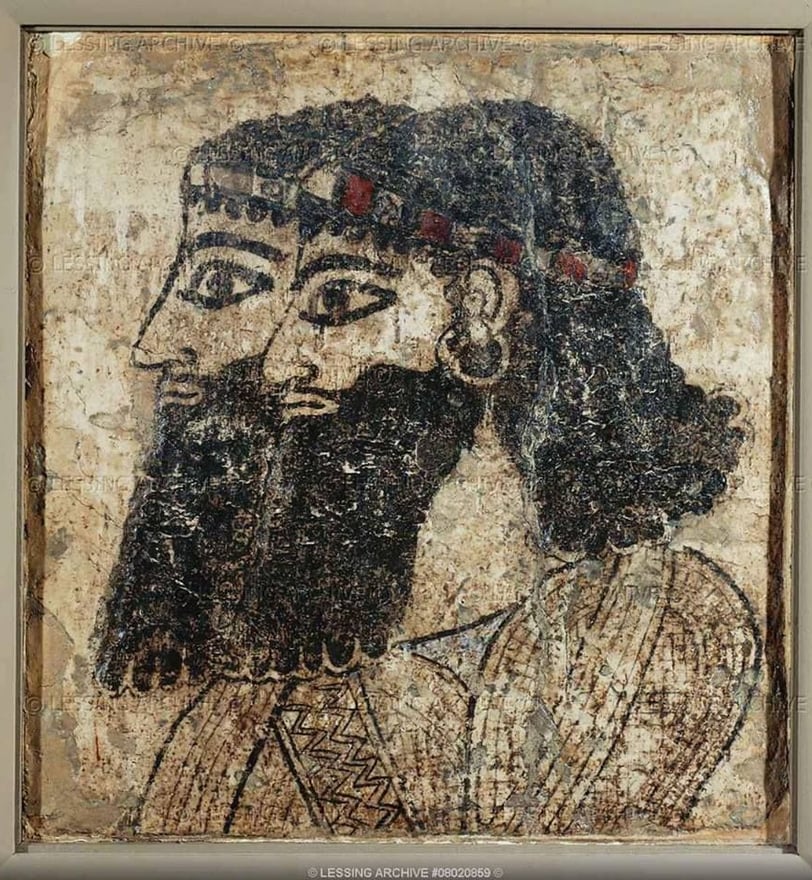
Assyrian Fresco from Syria
Form:
Description: Assyrian frescoes are mural paintings that were typically found on the walls of palaces and temples. These frescoes often depicted scenes of royal life, military conquests, religious rituals, and mythological narratives. The frescoes were created using mineral pigments on a wet plaster surface, allowing the colors to bind with the plaster as it dried.
Example: An example from the 8th century B.C. might include depictions of Assyrian kings such as Tiglath-Pileser III or Sargon II, often shown in acts of war or receiving tribute from conquered peoples.
Style and Origin:
Style: Neo-Assyrian art. The style is characterized by its use of vivid colors, detailed and expressive figures, and a sense of movement and narrative in the compositions.
Origin: Originated in the Assyrian Empire, particularly in regions that are part of modern-day Syria and Iraq. These frescoes were part of the grand decoration of Assyrian palaces such as those in Nimrud, Nineveh, and Dur-Sharrukin.
Period:
The 8th century B.C. during the Neo-Assyrian period, a time of great expansion and consolidation for the Assyrian Empire. This era saw significant developments in art, architecture, and the administrative organization of the empire.
Materials:
The frescoes were created using mineral-based pigments mixed with water, applied onto wet lime plaster. Common pigments included ochres for reds and yellows, charcoal for black, and copper-based compounds for blues and greens. The binding of the pigments with the plaster as it dried ensured the durability of the artwork.
Technique:
Fresco Technique: The paintings were executed using the fresco secco technique, where pigments were applied to dry plaster. This technique allowed for vibrant colors and fine details.
Cuneiform Inscriptions: Many frescoes included inscriptions in cuneiform script, which provided context for the scenes, often glorifying the king and detailing his achievements.
Carving and Painting: Some frescoes were combined with carved reliefs, where the outlines of figures were carved into the plaster before being painted. This added depth and texture to the compositions.
Theme
Royal Power and Military Might: A common theme is the depiction of the king in scenes of military triumph, emphasizing the power and dominance of the Assyrian ruler. These scenes often show the king leading troops, receiving tribute, or participating in ceremonial hunts.
Religious Rituals and Mythology: Other themes include religious rituals, where the king is shown making offerings to the gods or participating in religious ceremonies. Mythological scenes depicting gods, spirits, and mythical creatures also appear, symbolizing the divine support for the king's rule.
Daily Life and Symbolism: Some frescoes depict scenes of daily life, agriculture, and crafts, illustrating the prosperity and organization of the empire. Symbolic elements, such as the tree of life and guardian figures, are frequently included to convey protection and divine favor.